

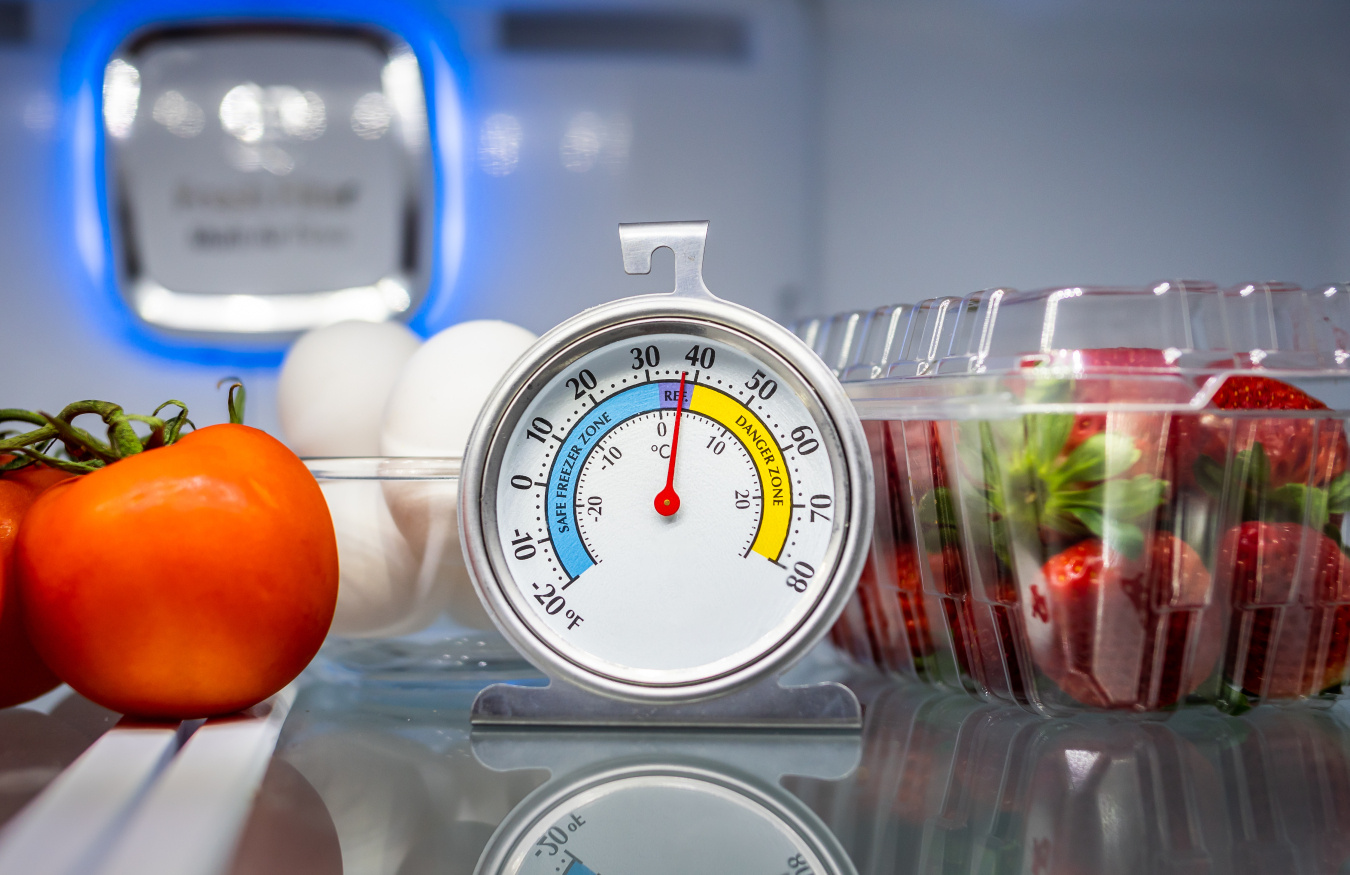
Spoilage Prevention Starts with Calibrated Walk-In Cooler Thermometers
In the food service industry, maintaining the quality and safety of perishable goods is paramount. A crucial element in this endeavor is ensuring that walk-in coolers are operating at optimal temperatures. Spoilage prevention begins with the accurate calibration of walk-in cooler thermometers, a practice that safeguards against financial loss and health risks associated with spoiled food.
Walk-in coolers are indispensable for restaurants, grocery stores, and other establishments dealing with perishable items. They provide a controlled environment where temperature-sensitive products can be stored safely. However, even slight deviations from the recommended temperature range can lead to spoilage. This not only results in wasted inventory but also poses significant health risks if spoiled food inadvertently reaches consumers.
The accuracy of a Walk-in cooler thermometers thermometer is vital to maintaining appropriate storage conditions. Over time, thermometers can drift out of calibration due to regular wear and tear or exposure to varying environmental conditions within the cooler itself. An inaccurate reading might give a false sense of security regarding the actual temperature inside the unit.
Regularly calibrating these thermometers ensures they provide precise readings, enabling staff to take corrective action when necessary. Calibration involves comparing the thermometer’s reading against a standard reference point and adjusting it accordingly if discrepancies are found. This process should be part of routine maintenance schedules in any establishment relying on refrigeration equipment.
Moreover, using calibrated thermometers aligns with regulatory compliance standards set by health authorities who mandate specific storage temperatures for various types of food products. Non-compliance could result in fines or more severe repercussions such as temporary closure until issues are resolved.
Beyond regulatory adherence and spoilage prevention, there’s an economic incentive too: reducing waste lowers costs and improves profitability margins for businesses operating in thin-margin industries like hospitality or retail groceries.
Training staff on how to properly use calibrated thermometers is equally important as performing regular calibrations themselves; employees should understand how to interpret readings correctly so immediate actions can be taken when temperatures fall outside safe ranges—whether that means adjusting thermostat settings or calling for technical support if mechanical issues arise causing unexpected temperature fluctuations within cooling units.