

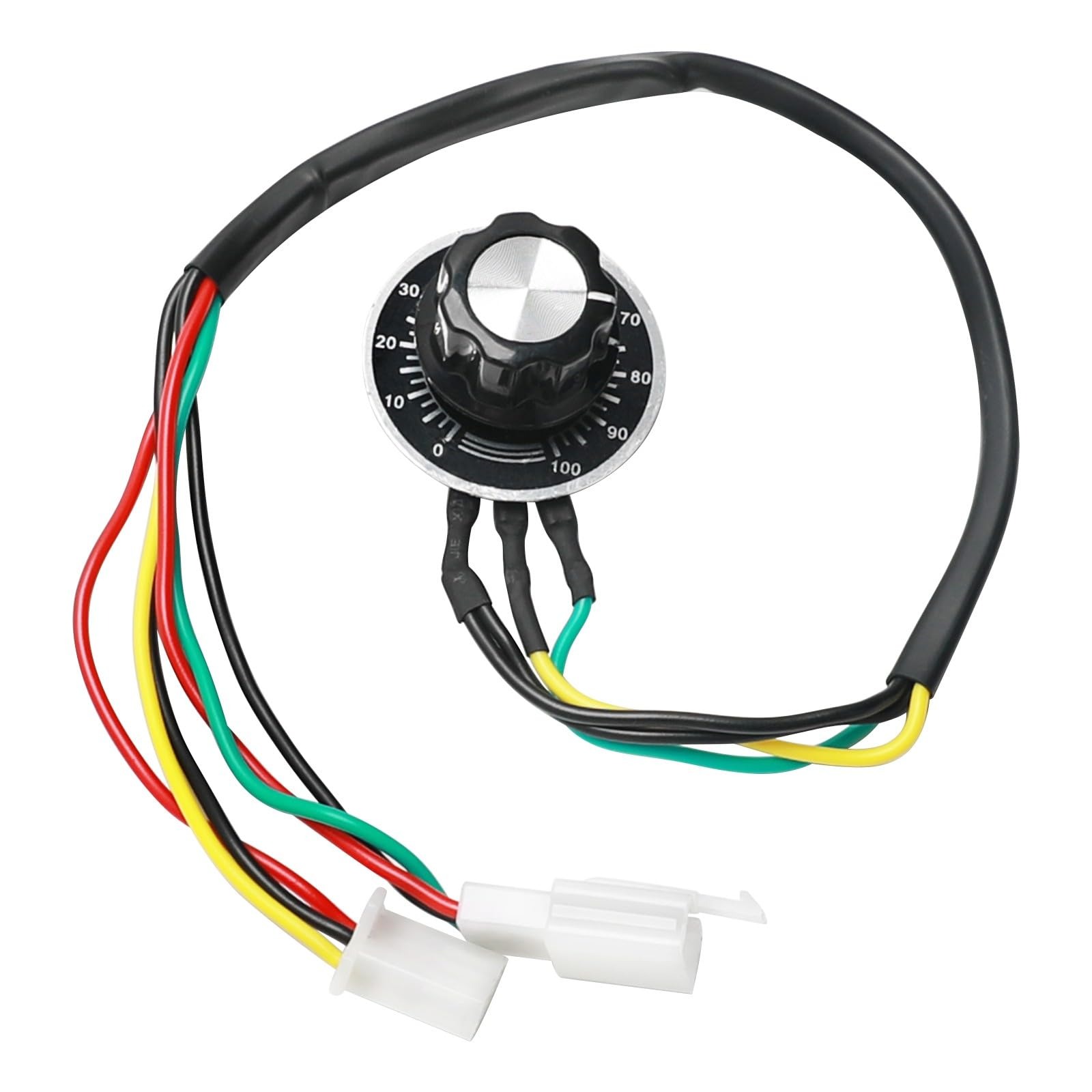
The Essential Guide to Speed Governors in Singapore
Staying safe on the road isn’t just about driving carefully — it’s also about making sure your vehicle follows the rules. One of the most important yet often overlooked devices is the speed governor. Whether you’re managing a fleet of commercial vehicles or just trying to comply with Singapore’s transport laws, knowing how speed limiters work can save you from fines, accidents, and engine damage.
If you’re looking for a trusted source to get started, this complete guide to speed governors Singapore offers everything you need to know in one place.
What is a Speed Governor?
A speed governor, also called a speed limiter, is a smart electronic or mechanical device that controls how fast a vehicle can go. It doesn’t stop the engine, but it limits the fuel or throttle input once the vehicle hits a set speed.
Most speed governors use sensors to monitor wheel speed, engine RPM, or gearbox output. When the vehicle reaches the programmed limit — say, 60 km/h for a bus — the system gently stops the vehicle from going faster. This keeps drivers from speeding, even by mistake.
Legal Requirements for Speed Governors in Singapore
In Singapore, the Land Transport Authority (LTA) has strict rules about speed governors, especially for public transport and heavy vehicles. These include:
- Mandatory Installation: Buses, school vans, and commercial trucks above a certain weight must have approved speed limiters.
- Speed Limit Settings: Most are capped at 60 to 70 km/h, depending on vehicle type.
- Annual Inspections: Vehicles with speed governors must pass regular inspections to ensure the device works properly.
- Penalties: If your vehicle doesn’t have a working governor when required, you could face fines, license suspension, or worse — criminal charges if it causes an accident.
Compliance isn’t just a box to tick; it’s a part of responsible vehicle ownership in Singapore.
Types of Speed Governors Available
There are a few main types of speed limiters used across Singapore:
- Electronic Speed Governors: These are the most common. They use sensors, microcontrollers, and actuators to manage speed.
- Mechanical Governors: Older and less precise, but still used in some diesel engines.
- GPS-Enabled Limiters: These offer smart features like real-time speed tracking, route monitoring, and geo-fencing.
- OBD-Connected Devices: Plugged into the vehicle’s onboard diagnostics port, they’re easier to install and program.
Each type suits different vehicle classes and budget levels.
Benefits of Using Speed Governors
Installing a speed governor isn’t just about following the law — it brings real benefits too:
- Road Safety: Reduces speeding accidents, especially on expressways.
- Fuel Efficiency: Driving at steady, capped speeds lowers fuel consumption.
- Engine Longevity: Prevents over-revving and strain on mechanical parts.
- Fleet Control: For logistics companies, governors help enforce driver discipline.
- Insurance Compliance: Many insurers prefer vehicles with speed limiters, offering lower premiums.
It’s a win-win for drivers, passengers, and the environment.
How to Choose the Right Speed Governor
Not all speed limiters are created equal. Here’s how to pick the best one for your needs:
- LTA Certification: Only use devices approved by Singapore’s transport authority.
- Vehicle Compatibility: Make sure the device suits your car, van, bus, or truck model.
- Installation Support: Choose vendors who offer setup, testing, and post-installation support.
- Tamper-Proof Features: Some models have anti-tamper alarms or security seals.
- Data Logging: Helpful for fleet managers tracking driver behavior.
Installation Process
The installation of a speed governor usually takes 1–2 hours, depending on the vehicle type. Here’s a general process:
- Inspection: Technician checks the vehicle’s wiring and ECU access.
- Mounting the Device: The limiter is fixed to the engine control or fuel system.
- Calibration: Speed thresholds are set according to LTA guidelines.
- Testing: The system is tested on the road to confirm it activates at the set speed.
- Certification: The workshop issues a compliance certificate, often needed for LTA inspection.
Costs can range from $300 to $1,200 SGD, depending on features and model.
Common Questions About Speed Governors
Can I install a speed governor myself?
Technically yes, but unless you’re trained, it’s risky and may void compliance. Always use a certified installer.
Will it reduce my car’s power?
No. The governor only kicks in when you hit the maximum speed. Acceleration up to that point is unaffected.
How do I know it’s working?
You’ll feel the vehicle stop accelerating once it reaches the cap. Some devices also beep or flash a warning.
Speed Governor Maintenance and Troubleshooting
Like any tech, speed governors need regular care:
- Check wiring: Loose wires are a common cause of failure.
- Test limits: Occasionally test the set speed to make sure it still works.
- Firmware updates: Some digital models may require updates or recalibration.
- Tamper Alerts: If your governor has built-in tamper detection, watch for any triggered warnings.
If it’s not functioning, head to your installer or service center. Faulty speed governors can result in failed inspections.
Conclusion
Speed governors are more than a legal requirement — they’re a vital part of vehicle safety and compliance in Singapore. From protecting passengers to saving fuel and avoiding penalties, they bring a lot of value to the table.
Whether you’re running a school bus, managing delivery vans, or just want to follow the rules, installing and maintaining a reliable speed limiter is a smart move.
FAQs
What vehicles need speed governors in Singapore?
Mostly heavy vehicles, buses, and commercial transport vehicles over 3,500 kg.
Are speed governors mandatory for school buses?
Yes, all school buses must have certified speed limiters as per LTA regulations.
How much does a speed governor cost in Singapore?
Between $300–$1,200 SGD depending on brand, type, and features.
Where can I install a certified speed governor?
Look for LTA-approved workshops or vendors specializing in automotive compliance equipment.